


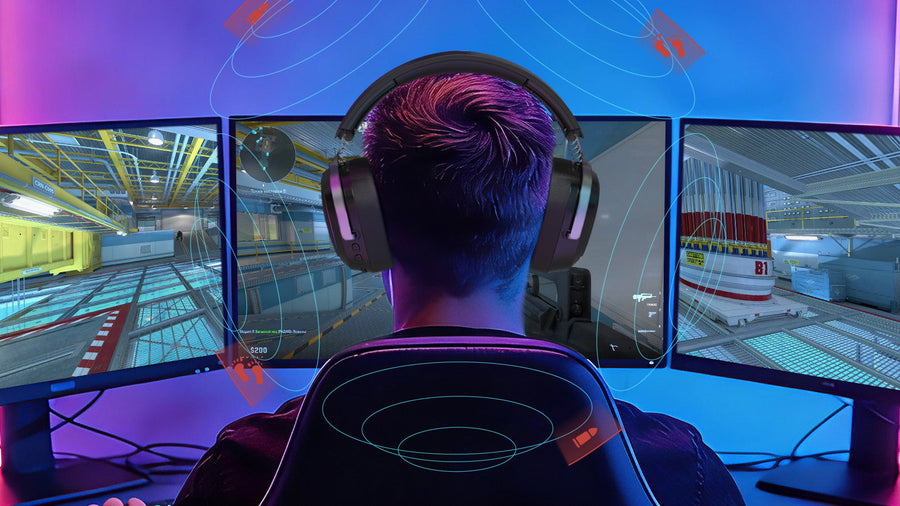
When shopping for audio gear, most people focus on sound quality, drivers, or microphone clarity. However, the most critical factor for long-term enjoyment is often overlooked: comfort. You might have the best-sounding headphones in the world, but if they hurt your head after thirty minutes, they are useless. A primary component of this comfort is something called clamping force. Understanding this mechanic is essential for finding a gaming headset that you can wear for hours without fatigue. This guide explains what clamping force is, why it matters, and how to find the perfect fit for your head shape.

What is Clamping Force?
Clamping force refers to the amount of pressure a pair of headphones exerts on the sides of your head. It is the grip that keeps the headset in place. Without any clamping force, the headphones would slide off your ears every time you tilted your head or leaned back in your chair.
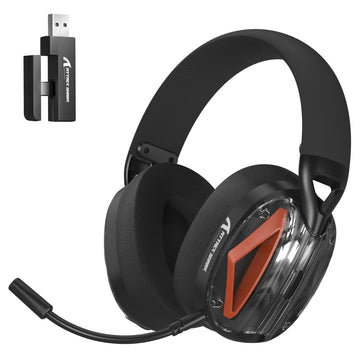
This force comes from the tension in the headband. Manufacturers engineer the headband to act like a spring, pulling the ear cups inward. The goal is to create a seal around your ears. This seal is crucial for two reasons: audio quality and isolation. A tight seal prevents sound from leaking out and blocks external noise from coming in, which improves bass response and immersion.
If the force is too weak, the seal breaks, and the bass sounds thin. If the force is too strong, it creates physical pressure points that can lead to pain. Every brand tunes this tension differently, which is why some headsets feel "tight" while others feel "loose" right out of the box.

The Side Effects of Excessive Clamping Force
When the clamping force is too high, the experience of wearing headphones shifts from immersive to painful. The most immediate symptom is a headache. This is often described as a "vice-like" feeling, where the pressure on the temples restricts blood flow or irritates sensitive nerves. Source
Jaw and Ear Pain
Excessive pressure also affects the jaw. The temporomandibular joint (TMJ) is located right in front of your ears. A gaming headset with high clamping force pushes the ear cups directly against this joint. Over time, this can cause aching in the jaw, especially if you are talking or chewing while wearing the headset. Additionally, if the ear cups are not deep enough, the pressure can push the drivers against the cartilage of your outer ear, causing sharp pain known as "hot spots."
Heat Build-Up
A tighter clamp means a tighter seal against the skin. While this is good for sound isolation, it traps heat. Air cannot circulate around your ears, leading to sweating and discomfort. This can become distracting during long sessions, forcing you to take frequent breaks just to let your ears breathe.

Factors That Influence Comfort: Headband Flexibility and Ear Cup Pivot
The overall comfort of a headset depends on how the force is distributed across your head. This is where design materials and mechanics play a huge role.
Headband Flexibility
The material of the headband determines how the tension is applied. A stiff metal headband might offer durability, but it can be unforgiving if your head is wider than average. Flexible materials, like certain plastics or memory metals, allow the headband to stretch comfortably without increasing the pressure exponentially. Some headsets use a suspension strap design, which helps distribute the weight evenly and reduces the feeling of the clamp on the top of the head.
Ear Cup Pivot and Rotation
The ability of the ear cups to move is equally important. Human heads are not perfectly flat on the sides; they are curved and angled. If the ear cups are fixed and cannot pivot, the clamping force will be concentrated on a small area—usually the top or back of the jaw.
High-quality headsets feature ear cups that can swivel vertically and horizontally. This articulation allows the pads to align perfectly with the slope of your face. When the cup sits flush against the skin, the clamping force is spread over a larger surface area (the entire ear pad) rather than a single pressure point. This significantly reduces discomfort even if the grip is relatively tight.
Why "Lightweight" and "Clamping Force" Go Hand in Hand
There is a direct relationship between the weight of a headset and the necessary clamping force. Heavier headphones require a stronger grip to stay secure. If a headset weighs 400 grams, gravity is constantly trying to pull it down. To counteract this, the manufacturer must increase the inward pressure to create friction against your head.
This is why lightweight designs are often more comfortable. A gaming headset that weighs only 250 grams does not need a vice-like grip to stay in place. The manufacturer can reduce the clamping force significantly without the headset slipping. This lighter touch reduces fatigue on the jaw and temples.
However, reducing weight often means using more plastic and less metal, which some users feel affects durability. Finding a balance is key. You want a headset that is light enough to require minimal clamping but sturdy enough to withstand daily use. It is similar to choosing an acrylic wrist rest for your keyboard; you want something that provides support without adding unnecessary bulk or hardness that creates new pressure points.
How to Find Your "Golden Circle" of Headset Fit
What feels loose on a small head might feel crushing on a large one. Here are practical ways to test and adjust for comfort.
The Stretch Test
When you first unbox a headset, gently stretch the headband outward. Does it offer steady resistance, or does it fight back aggressively? If it feels extremely stiff, it might cause discomfort. Some users place their new headphones over a stack of books or a box (slightly wider than their head) for a night to loosen the headband tension. This can slightly reduce the clamping force of metal bands, though you must be careful not to overstretch plastic ones.
Check the Pad Material
The material of the ear pads interacts with the clamping force. Memory foam pads are excellent because they compress easily. They conform to the shape of your glasses or jawline, absorbing some of the pressure. Stiffer foam pads fight against your head, transferring more of the force directly to your skin. If you love a headset's sound but hate the clamp, sometimes switching to softer, third-party memory foam pads can solve the issue.
Ergonomics Beyond the Headset
Comfort is holistic. Just as you might use an acrylic wrist rest to align your hands properly while typing, ensuring your headset fits properly is about alignment. Adjust the headband sliders so the cups sit centered over your ears, not pulling down on the tops of them. Proper positioning ensures the clamping force is applied to the side of the head, where it is meant to be, rather than dragging on your ears.
Conclusion: Finding Your Perfect Fit
Headset comfort is not a luxury; it is a necessity for anyone who spends hours listening to audio. Clamping force is the invisible mechanic that determines whether you will love or hate your purchase. By looking for features like adjustable ear cups, lightweight materials, and flexible headbands, you can find a device that disappears on your head. Remember that comfort is subjective. Testing the fit and understanding how pressure works will help you choose a gaming headset that lets you focus on the game, not the headache.
FAQ
Can I loosen the clamping force of my headset?
Yes, in many cases. If the headband is metal-reinforced, you can often stretch it gently over a box or books slightly wider than your head for 24 hours. This can relax the tension. Be very careful with all-plastic headbands, as stretching them too far can cause them to snap.
Does higher clamping force improve sound quality?
It can improve bass and isolation. A tighter seal prevents low-frequency sounds (bass) from escaping and stops outside noise from entering. However, if the force is too high, the discomfort outweighs the audio benefits. A good seal can often be achieved with moderate force and high-quality memory foam pads.
How do I know if a headset will fit a large head?
Look for reviews that specifically mention head size. Features like "suspension headbands" or "extended sliders" are usually good indicators for larger heads. Also, check the weight; heavier headsets usually have tighter clamping force, which can be more uncomfortable for larger heads.
Do glasses affect how clamping force feels?
Yes, significantly. The temple arms of your glasses sit between your head and the ear pads. High clamping force pushes the pads into the glasses, which then dig into your skin. If you wear glasses, look for headsets with softer memory foam or specific "eyewear channels" carved into the pads to relieve this pressure.
Is an acrylic wrist rest related to headset comfort?
Directly, no. However, both an acrylic wrist rest and a comfortable headset are part of proper ergonomic setup. Both accessories aim to reduce physical strain—one for your wrists and one for your neck and head—allowing for longer, pain-free computer use.