


Choosing the right audio gear is critical for locating enemies and fully experiencing virtual worlds. Understanding the physical differences between ear cup designs will determine how accurately you hear directional sounds.
This guide explains how to choose between these two distinct headset types to maximize your performance and comfort during long daily gaming sessions.
Completing Your Keyboard And Mouse Gaming Setup With Perfect Audio
When building a high-level competitive gaming setup, most players spend their entire budget on high-end monitors, fast graphics cards, and lightweight mice. However, visual hardware is only half of the performance equation. If you cannot hear exactly where an enemy is walking, your quick physical reflexes will not save you in a match. Audio gives you crucial information before your eyes ever see the threat.
If you use a keyboard and mouse gaming layout, your hands are locked in a forward-facing position. You cannot easily look behind you without swiping your mouse aggressively. Because of this, you rely entirely on your audio cues to know when you need to spin around and shoot. A premium gaming headset for PC acts as an early warning radar system. It translates digital code into physical sound waves that tell you exactly what is happening outside of your screen's limited field of view.
Getting the audio right completes your total hardware puzzle. High-quality sound stops you from guessing where enemies are hiding. It allows you to pre-aim at doorways and corners because you already heard the enemy approaching.
What Does "Open-Back" Mean?
Open-back headphones feature ear cups with visible holes, metal grills, or wire mesh on the outside shell. This specific design leaves the internal speaker driver completely exposed to the outside air. Because air can move freely in and out of the plastic ear cup, the sound waves do not bounce off a hard inner wall and reflect back into your ears. This prevents the audio from sounding muffled or trapped.
Creating A Wider Soundstage
This free airflow creates what audiophiles call a "wide soundstage." A wide soundstage makes the game audio sound like it is actually happening in the physical room around you, rather than just playing inside your head. When comparing open back vs closed back models side by side, open-back headsets make outdoor game environments sound incredibly natural, spacious, and realistic. If a game character fires a sniper rifle far away in a canyon, the resulting echo sounds genuinely distant.
Breathability And Long-Term Comfort
Another massive physical benefit of the open-mesh design is passive airflow. Because the ear cups are not completely sealed with solid plastic, body heat escapes easily. If you play games for several hours straight on a hot day, your ears will stay much cooler and remain sweat-free. This reduces physical skin irritation and ear fatigue, allowing you to play longer with zero discomfort.
The Power Of "Closed-Back" Headsets
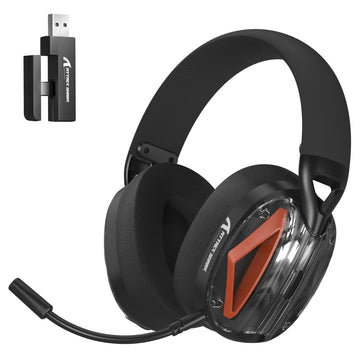
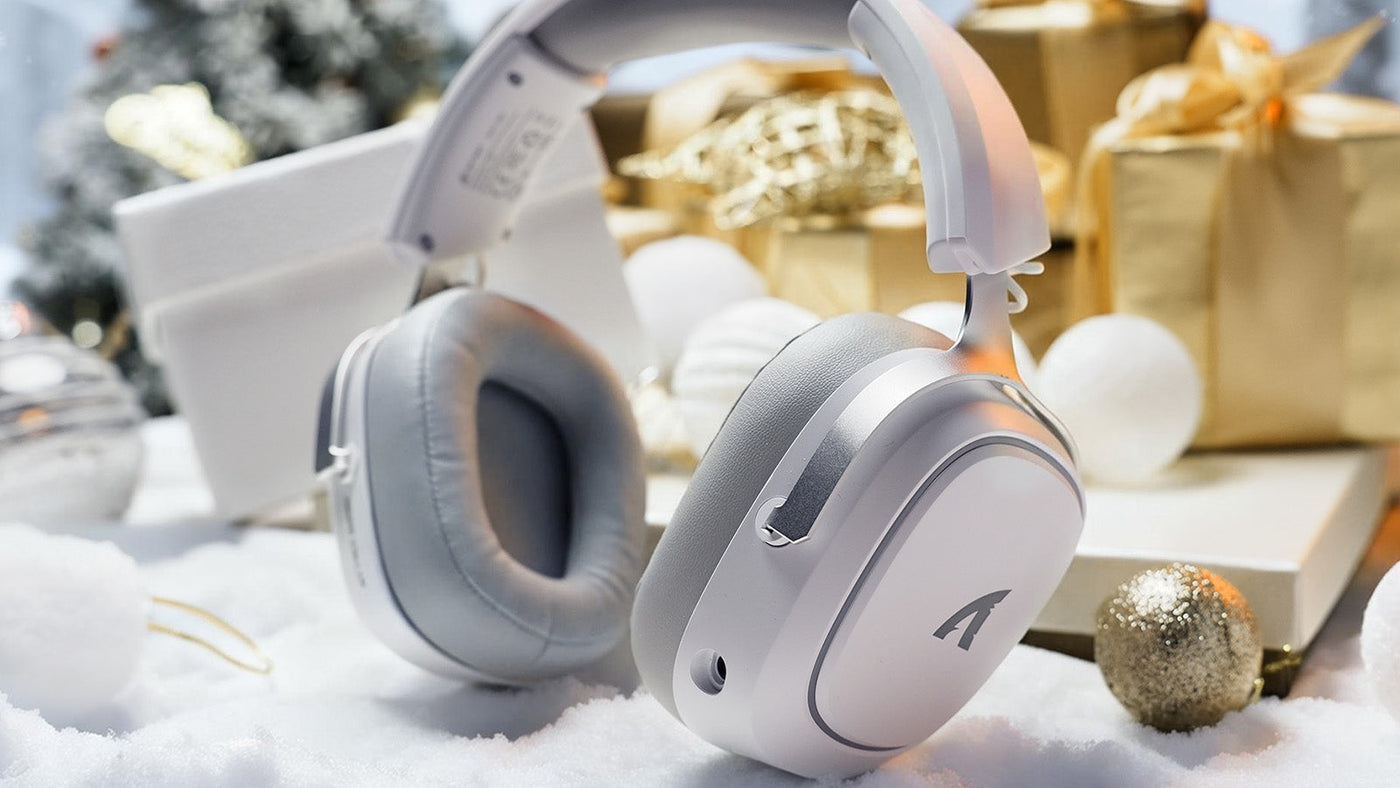
Closed-back headphones are the most common and popular type of headset found on the market today. The outside of the ear cup is completely sealed with solid plastic, thick metal, or sometimes wood. Air cannot pass through the back of the ear cup at all. They often use thick synthetic leather ear pads to create a tight vacuum seal around your ears.
Blocking Outside Background Noise
The solid outer shell creates excellent passive noise isolation. It physically blocks out the distracting sounds of your house, such as a loud television, a barking dog, or a noisy air conditioning unit. When looking at the open back vs closed back debate, closed-back headsets are the only reliable choice if you need to mute the real world to focus strictly on your computer screen.
Enhancing Heavy Bass Frequencies
Because the back of the ear cup is completely sealed, the sound waves bounce off the hard plastic shell and trap the air pressure inside the cup. This trapped air pressure creates incredibly deep, powerful bass. In-game explosions, roaring car engine noises, and heavy machine gunfire sound much louder and more intense in a closed-back headset. However, this trapped sound can make the audio feel a bit crowded, creating a much smaller, tighter soundstage compared to open designs.
Spatial Audio In FPS Games: Which Helps You Hear Footsteps Better?
Modern spatial audio gaming technology, like Dolby Atmos or Windows Sonic, tricks your human brain into hearing sounds in a 3D sphere. It uses complex software algorithms to tell you if a specific sound is coming from above your head, below your feet, far behind you, or directly in front of you. Both headset types fully support this software, but their physical designs deliver the final results very differently.
For a professional competitive gaming setup, an open-back headset usually provides much better directional accuracy for footsteps. Because of the naturally wide soundstage, it is much easier for your brain to judge the exact physical distance of an approaching enemy. You can clearly hear if a player is walking ten feet away or thirty feet away. The natural airflow separates different sound frequencies clearly, so quiet footsteps do not get lost underneath the loud, muddy boom of a nearby grenade explosion.
Closed-back headsets can sometimes struggle to create realistic distance. A footstep might sound like it is right next to your head when the enemy is actually down the hallway. However, if your real-life room is very noisy, the closed-back design is far better for hearing footsteps because it blocks out real-world distractions. If you cannot hear the game over the loud spinning fans of your PC tower, the best spatial audio gaming software in the world will not help you win the round.
Which Headset Style Fits Your Gaming Room Environment?
Assessing Your Real-World Surroundings
Your physical living space heavily dictates which headset type you should buy. Open-back headsets leak audio heavily into the room. If you listen to loud game audio, the person sitting next to you on the couch will hear it very clearly. Because of this massive sound leak, your standalone desk microphone might pick up your game audio if you use an open-back gaming headset for PC. This can cause a highly annoying echo for your teammates in voice chat if your microphone sensitivity is set too high.
Making The Final Purchasing Decision
If you play in a quiet, private bedroom and want the most accurate directional audio for your keyboard and mouse gaming sessions, choose an open-back headset. The physical comfort, wide soundstage, and precise distance tracking are simply unbeatable for competitive shooters.
However, if you play in a shared family room, have noisy roommates, or plan to attend loud public esports tournaments, you must choose a closed-back headset. The thick ear cups block out the physical world and trap your game audio safely inside, ensuring you remain completely focused on your match without disturbing the people around you.
Conclusion: Choosing Your Ideal Audio Setup
Selecting between open and closed ear cups comes down to your physical environment and specific audio preferences. Open models offer unmatched distance tracking and physical breathability, making them ideal for quiet, private spaces. Closed models provide deep, punchy bass and block out background noise, which is absolutely essential for noisy households. By evaluating your room conditions and what types of video games you play, you can confidently invest in the right audio gear to enhance your total immersion.
FAQs
Do esports professionals use open or closed-back headsets?
Almost all professional players use closed-back headsets. When building a competitive gaming setup for a live tournament stage, players must block out the incredibly loud crowd noise and the stadium announcers to hear the game. Closed-back models provide the necessary passive noise isolation required to focus in public venues.
Does spatial audio work on any normal stereo headset?
Yes, it does. Spatial audio gaming software alters the digital audio signal inside your computer before it ever reaches your headphones. Therefore, you can use this virtual surround sound software on any standard stereo gaming headset for PC.
Will an open-back headset distract my teammates in voice chat?
It certainly can. Because open-back designs leak sound directly out of the ear cups, a highly sensitive microphone might pick up your loud game audio. If you do a lot of keyboard and mouse gaming while using a standalone desk microphone, you must lower your overall headset volume or move the microphone further away from your head to prevent echoing in the chat.
Which is better for listening to music: open back vs closed back?
In the open back vs closed back debate for music, open-back headphones generally win for classical, jazz, and acoustic music because of the wide, highly natural soundstage. Closed-back headphones are usually better for hip-hop and electronic music because the sealed ear cups trap and strongly amplify the deep bass frequencies.