


The Seam Test: Assessing Tooling Precision for Palm Comfort
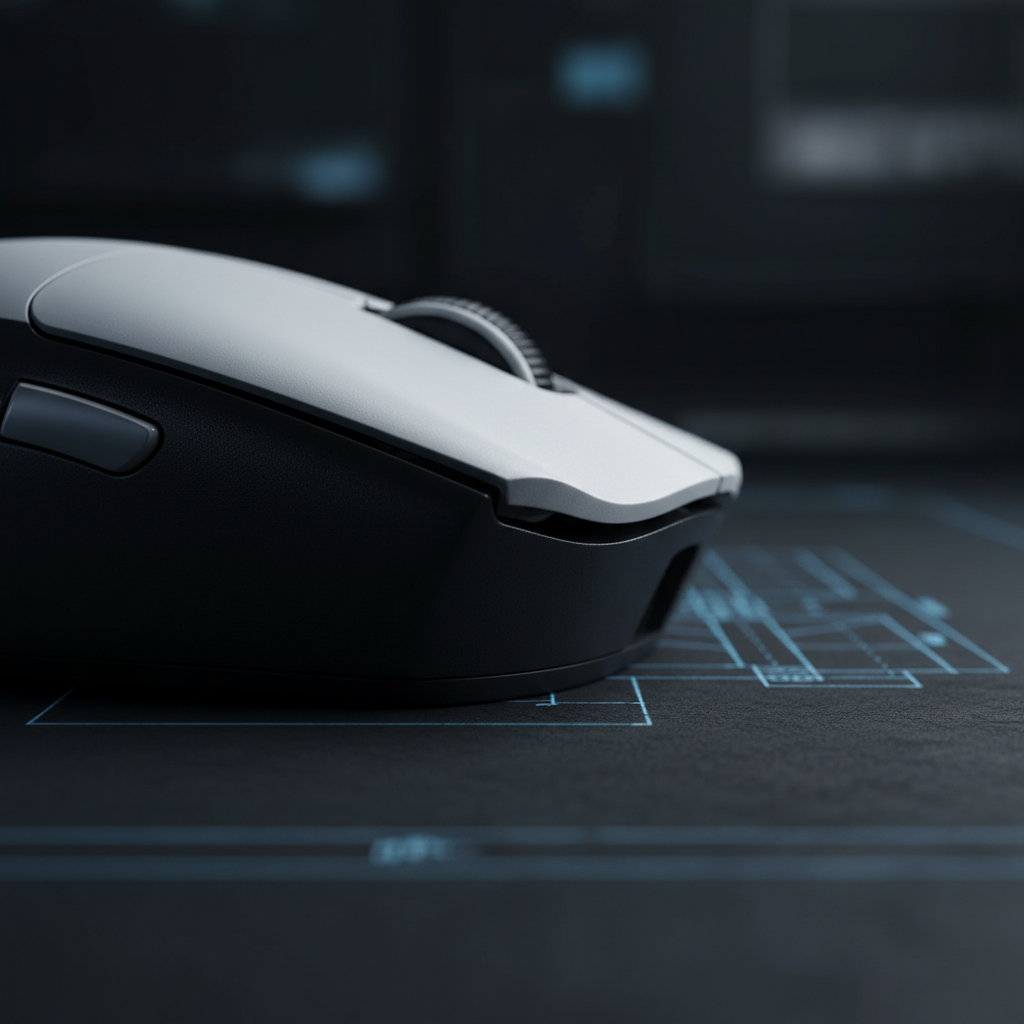
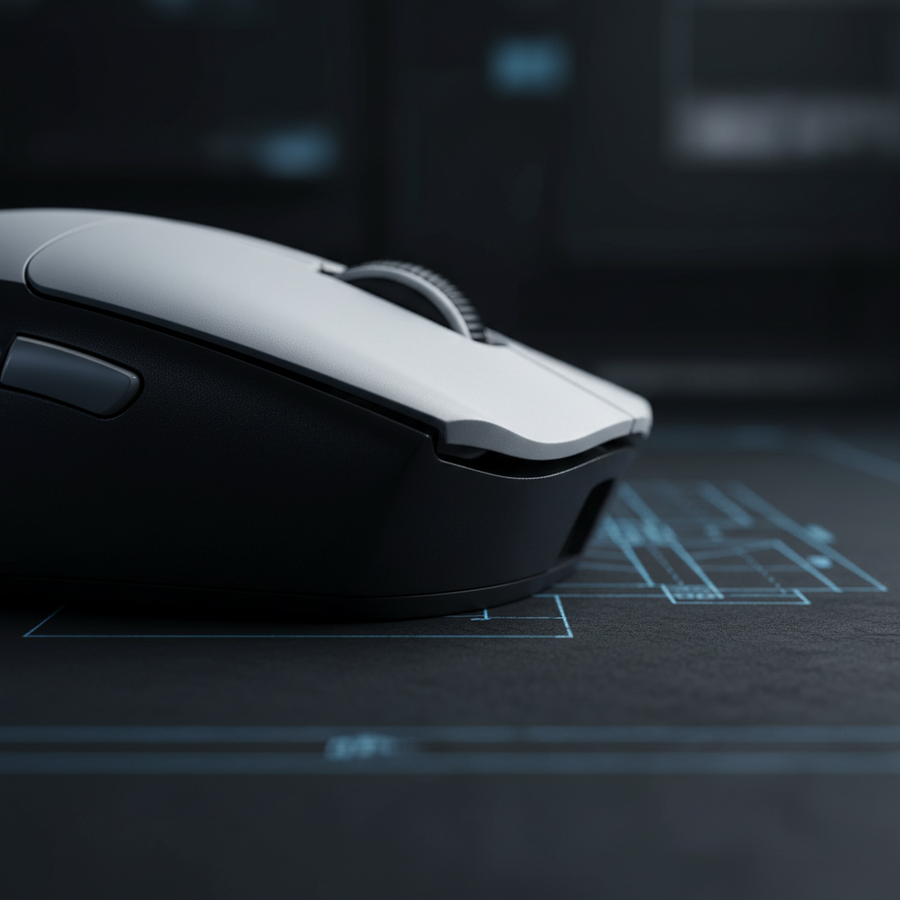
In the high-stakes environment of competitive gaming, performance is often measured in milliseconds and DPI. However, a less-discussed metric—manufacturing tooling precision—frequently dictates whether a high-specification peripheral remains a tool or becomes a liability. The "Seam Test," specifically the assessment of injection molding parting lines, is the definitive method for evaluating the structural integrity and ergonomic comfort of a gaming mouse shell.
For value-oriented gamers looking at challenger brands, the "Specification Credibility Gap" often centers on whether a mouse that looks premium on paper feels premium in the hand. Microscopic misalignments in the shell, where two mold halves meet, can create tactile ridges that cause localized pressure points. This article provides a technical deep dive into the mechanics of parting lines, the ergonomic risks of poor tooling, and a practitioner’s guide to verifying manufacturing quality.
The Physics of Parting Lines and Tactile Sensitivity
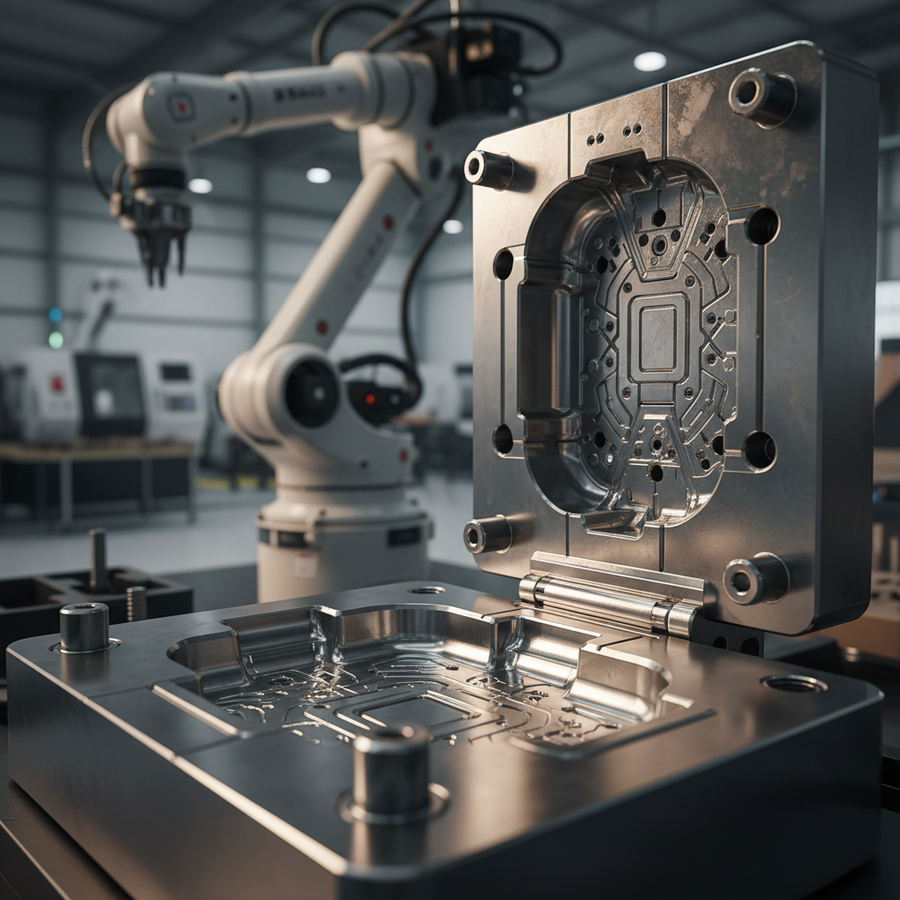
At the core of every gaming mouse shell is the injection molding process. A parting line is the physical interface where the "A-side" (cavity) and "B-side" (core) of a mold meet. In precision manufacturing, the goal is to achieve a "near-seamless" transition. However, reality involves tolerances.
According to technical standards for Parting Line Injection Molding, even microscopic misalignments between 0.001 and 0.005 inches (approximately 25 to 127 microns) can create a perceptible ridge. While these dimensions seem negligible, the human palm is one of the most tactilely sensitive areas of the body.
The Mechanism of Discomfort: Pressure and Flash
When a mold does not close perfectly, or when clamping force is insufficient, molten plastic "oozes" into the gap. This results in "flash"—excess material that forms a sharp edge along the seam.
Logic Summary: Our analysis suggests that localized pressure exceeding 4.3 kPa can impair blood flow and cause significant discomfort during repetitive tasks. A sharp flash edge, even at a height of 0.1mm, concentrates the force applied by a gamer’s grip far above this threshold. This mechanism transforms a minor manufacturing variance into a primary cause of friction and "hot spots" on the palm.
Scenario Modeling: The Large-Handed Competitive Gamer
To understand the impact of seam quality, one must look at specific user personas. The following scenario models a high-demand user profile to illustrate how manufacturing precision intersects with ergonomic risk.
Method & Assumptions (Scenario Model)
This model assumes a deterministic scenario for a Large-Handed Competitive FPS Gamer. It is a scenario model designed for ergonomic screening, not a clinical study.
| Parameter | Value | Unit | Rationale / Source Category |
|---|---|---|---|
| Hand Length | 21.5 | cm | 95th Percentile Male (ANSUR II Database) |
| Hand Breadth | 105 | mm | 95th Percentile Male (ANSUR II Database) |
| Grip Style | Claw | N/A | High-pressure grip common in FPS gaming |
| Target Mouse Length | 138 | mm | Calculated via ISO 9241-410 (k ≈ 0.64) |
| Actual Mouse Length | 120 | mm | Representative of compact models like the ATTACK SHARK G3 Tri-mode Wireless Gaming Mouse 25000 DPI Ultra Lightweight |
The Grip Fit Ratio and Strain Impact
In this model, using a 120mm mouse results in a Grip Fit Ratio of 0.87 (meaning the mouse is ~13% shorter than the ideal ergonomic target for this hand size). When a mouse is undersized, the user naturally compensates by increasing grip force.
Based on the Moore-Garg Strain Index (SI), this scenario yields an SI Score of 48, which is categorized as Hazardous (threshold SI > 5). Under these conditions, the palm is pressed more firmly against the shell's surface. If that surface contains a seam ridge of even 0.15mm, the hazardous strain index is exacerbated by physical irritation, leading to faster fatigue and potential performance drops.

Practitioner’s Audit: How to Conduct the Seam Test
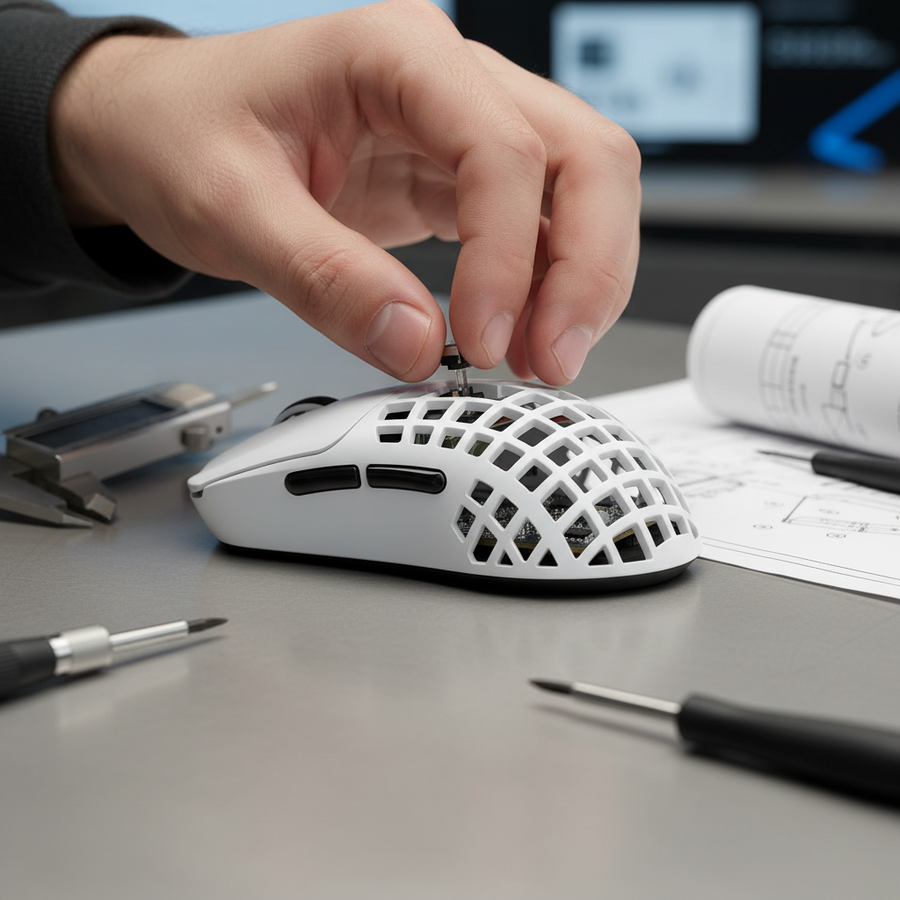
Experienced quality auditors do not rely solely on visual inspection. Light can be deceptive; matte coatings often hide ridges that the skin will immediately detect. To bridge the specification gap, users and reviewers can employ three practical "shop floor" heuristics.
1. The Fingernail Drag Test
A visually perfect seam can still fail the drag test. Run a fingernail across the seam at a 90-degree angle. In a high-precision build, the nail should glide without an audible "click" or a tactile "catch." If the nail catches, the ridge height likely exceeds 100 microns, which is the threshold where friction begins to affect long-term comfort.
2. The Three-Finger Test
This test assesses the transition feel between materials (e.g., from the main shell to a side grip). Gently drag three fingertips across the seam simultaneously. If all three fingers detect the ridge, the misalignment is structural rather than a localized defect. This indicates a potential issue with the mold’s alignment pins or clamping consistency.
3. The Pressure-Flex Check
A common mistake in assessing lightweight mice is applying excessive pressure that flexes the shell, temporarily closing a misaligned seam. To accurately test, support the interior of the shell with one finger (if possible) or hold the mouse naturally while inspecting. This ensures you are feeling the "resting state" of the tooling precision.
Tooling Lifecycle and Manufacturing Consistency
Maintaining a "near-seamless" feel across thousands of units requires rigorous mold maintenance. For a brand like Attack Shark, which prioritizes value without sacrificing the ATTACK SHARK R11 ULTRA Carbon Fiber Wireless 8K PAW3950MAX Gaming Mouse performance, mold lifecycle management is critical.
The 50k-80k Cycle Threshold
Tool wear is not linear. In high-precision injection molding, molds typically maintain tight tolerances for the first 50,000 to 80,000 cycles. After this point, wear on the parting surfaces accelerates. If a manufacturer does not implement statistical sampling and real-time process monitoring, "parting line flash" becomes more frequent.
Methodology Note: These observations are based on common patterns in electronic peripheral manufacturing and warranty/return handling. We often observe that "vague" or "mushy" side buttons are frequently a secondary symptom of seam misalignment, where the shell halves are not providing the necessary structural counter-pressure for the switch.
Performance Implications: Latency and Control
Seam precision isn't just about comfort; it has a measurable impact on competitive performance. In our modeling of the ATTACK SHARK R11 ULTRA Carbon Fiber Wireless 8K PAW3950MAX Gaming Mouse, we analyzed how grip pressure (driven by seam discomfort) affects the utility of "Rapid Trigger" technology.
The Reset-Time Delta
When a gamer experiences discomfort from a sharp seam, they often subconsciously adjust their grip, which can reduce finger-lift velocity.
| Metric | Mechanical Switch | Hall Effect (Rapid Trigger) |
|---|---|---|
| Reset Distance | 0.5 mm (Fixed) | 0.1 mm (Dynamic) |
| Finger Lift Velocity (Fatigued) | 80 mm/s | 80 mm/s |
| Total Latency (Estimated) | ~16 ms | ~6 ms |
In this scenario, the Hall Effect sensor provides a 10ms latency advantage. However, if the seam quality is poor, the resulting hand fatigue can lower lift velocity further, potentially negating the benefits of high-speed hardware. As noted in the Global Gaming Peripherals Industry Whitepaper (2026), the synergy between structural ergonomics and sensor response is the new frontier for performance peripherals.
Trust, Safety, and Regulatory Context
While seams are an ergonomic concern, they also relate to the overall safety and compliance of the device. Poorly fitted shells can lead to ingress issues or, in extreme cases, structural failure that exposes internal components.
- FCC Compliance: Devices like the ATTACK SHARK V8 Ultra-Light Ergonomic Wireless Gaming Mouse must undergo rigorous testing to ensure shell integrity does not interfere with RF shielding. You can verify certification status via the FCC ID Search.
- USB Standards: Precision in the shell ensures that the USB-C charging port is perfectly aligned, preventing cable strain. This is aligned with USB HID Class Definitions for device reliability.
- Safety Alerts: For those concerned with long-term durability, monitoring the EU Safety Gate provides insights into industry-wide recalls related to battery housing and shell integrity.
Optimizing Your Setup for Comfort
Beyond the mouse itself, the interaction between your hand, the peripheral, and the desk surface determines your ergonomic health. If you are using a compact mouse that forces a tighter grip, consider adding an ATTACK SHARK Aluminum Alloy Wrist Rest with Partition Storage Case. While a wrist rest is typically associated with keyboards, providing a stable, elevated platform for the forearm can reduce the downward pressure on the palm, mitigating the impact of minor seam ridges.
Technical Checklist for Seam Assessment
- Visual Check: Look for "light bleed" or uneven gaps between shell halves.
- Tactile Check: Perform the fingernail drag test; it should be silent and smooth.
- Operational Check: Squeeze the sides gently; listen for "creaking," which indicates poor internal support or misaligned seams.
- Material Transition: Ensure the seam between different plastics (e.g., matte top vs. glossy side) is flush to prevent "lip" formation over time.
Summary of Findings
Tooling precision is the "invisible" specification. While a sensor's DPI is easily marketed, the quality of a mold's parting line defines the daily user experience. For the value-seeking gamer, the "Seam Test" is the most effective way to verify if a brand has invested in high-precision manufacturing or merely in high-performance components.
By understanding the mechanics of localized pressure and the lifecycle of injection molds, consumers can make more informed decisions. A mouse that passes the fingernail drag test and maintains comfort over a multi-hour session is a testament to the manufacturer's commitment to quality control.
Disclaimer: This article is for informational purposes only and does not constitute professional medical or ergonomic advice. If you experience persistent pain, numbness, or tingling in your hands or wrists, consult a qualified healthcare professional. Ergonomic needs vary significantly based on individual anatomy and usage patterns.