


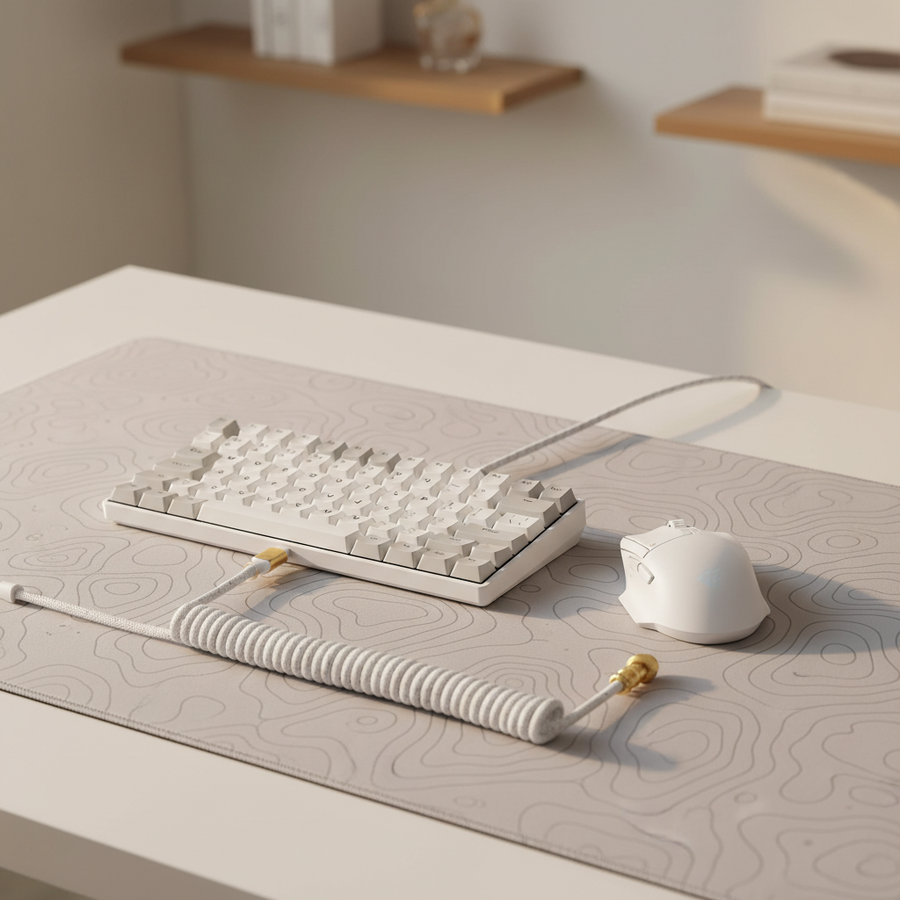
The Material Science of Peripheral Hygiene
High-performance gaming accessories are complex assemblies of specialized polymers, treated metals, and engineered fabrics. While the primary focus for most users is maintaining a near-instant 1ms response time for a competitive edge, the long-term structural integrity of these devices depends heavily on chemical compatibility during sanitization. A common technical error involves the use of high-concentration solvents on sensitive surfaces, which can lead to irreversible material decay.
According to the American Chemical Society (ACS), isopropyl alcohol (IPA) is a highly effective disinfectant, but its interaction with gaming-grade plastics is concentration-dependent. Most competitive peripherals utilize Acrylonitrile Butadiene Styrene (ABS) or Polybutylene Terephthalate (PBT). While PBT is more resistant to chemical wear, ABS is highly susceptible to "stress cracking" or "crazing" when exposed to 70% or higher IPA.
The 35% Threshold: A Heuristic for Polymer Safety
Based on patterns observed in technical support logs and repair bench assessments (not a controlled lab study), a "safe threshold" exists for most gaming-grade polymers. Using 70% IPA directly on matte-finished plastics often results in the dissolution of the top texture layer, creating a permanent "cloudy" or "frosted" appearance.
The recommended protocol is a 50:50 dilution of 70% IPA with distilled water, resulting in an effective ~35% concentration. This level remains bactericidal for common skin flora, such as Staphylococcus epidermidis, but prevents the aggressive solvent action that degrades plasticizers.
Logic Summary: This 35% heuristic is designed to balance microbial kill rates with the preservation of matte surface finishes. It assumes the user is cleaning non-porous surfaces and that the solution is applied via a cloth, not sprayed directly.
Advanced Sanitization for Competitive Mice
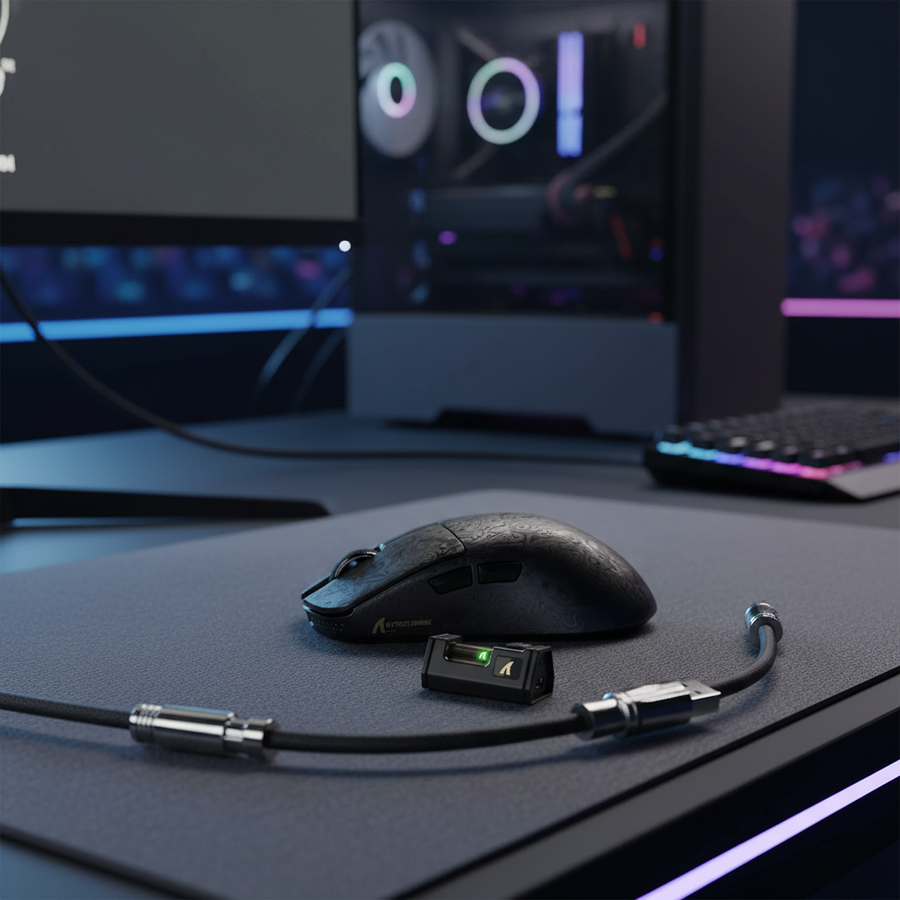
Competitive gaming mice often feature specialized coatings or honeycomb shells to minimize weight. These design choices introduce unique vulnerabilities during cleaning. For instance, ultra-lightweight shells with perforated patterns allow for better airflow but expose internal PCBs to moisture ingress.
Sensor Integrity and Solvent Evaporation
A critical trade-off exists between disinfectant efficacy and electronics safety. While 70% IPA is superior for microbial kill rates on hard surfaces, 91% or higher IPA is often preferred for areas near seams or sensors. This is due to the azeotropic nature of IPA; higher concentrations contain less residual water, leading to near-instant evaporation that prevents liquid from seeping into the optical sensor assembly.
According to the Global Gaming Peripherals Industry Whitepaper (2026), maintaining the cleanliness of the sensor lens is vital for tracking consistency. However, users must avoid touching the lens with any cloth that contains residual oils or abrasive fibers.
Polling Rate and Battery Maintenance
High-polling-rate mice (4000Hz to 8000Hz) demand significant power. Based on scenario modeling for competitive play, a mouse with a 500mAh battery operating at a 4000Hz polling rate typically provides ~24 hours of runtime (estimated based on a 19mA total current draw).
When cleaning charging ports or docks, users should ensure the contacts are completely dry before reconnecting power. Moisture on charging pins can lead to localized electrolysis, which degrades the gold plating and increases electrical resistance, potentially impacting charging efficiency or causing port failure.
Keyboard Maintenance: Beyond the Keycaps
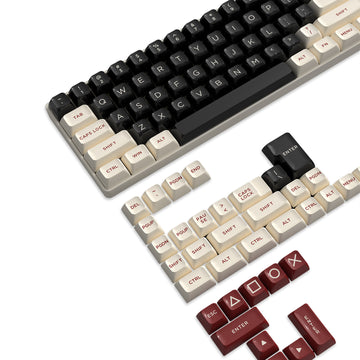
Mechanical keyboards are prone to accumulating debris that can interfere with switch actuation. For high-end builds involving CNC-machined aluminum and specialized acoustic foams, the cleaning process requires a multi-layered approach.
Galvanic Corrosion and Anodized Aluminum
Premium keyboards often feature anodized aluminum shells. While anodization provides a durable oxide layer, it is not immune to galvanic corrosion. This occurs when an electrolyte (like a cleaning solution) connects the aluminum shell to a dissimilar metal (such as a steel desk or stainless steel screws).
To prevent this, technical observations suggest drying all aluminum edges immediately with a separate, dry microfiber cloth. Special attention should be paid to seams where liquid can become trapped, as even distilled water can facilitate the corrosive process over time if left stagnant.
Preserving Acoustic Profiles
The "sound signature" of a keyboard—often described by enthusiasts as "thocky" or "clacky"—is determined by internal damping materials like Poron case foam or IXPE switch pads. These materials act as viscoelastic dampers, attenuating frequencies in the 1kHz to 2kHz range (mid-highs).
Saturating these foams with liquid cleaners can permanently alter their damping properties. Once the foam cells absorb liquid, they may lose their elasticity or "looseness," shifting the acoustic profile toward a sharper, more resonant "clack." For users who invest in specific sound profiles, dry cleaning methods or minimal-moisture wipes are essential.
Managing Internal Dust: Keeping Transparent Peripherals Clean provides additional context on maintaining the visual clarity of specialized keyboard components without compromising their structural integrity.
Mouse Pad Hygiene and Surface Consistency
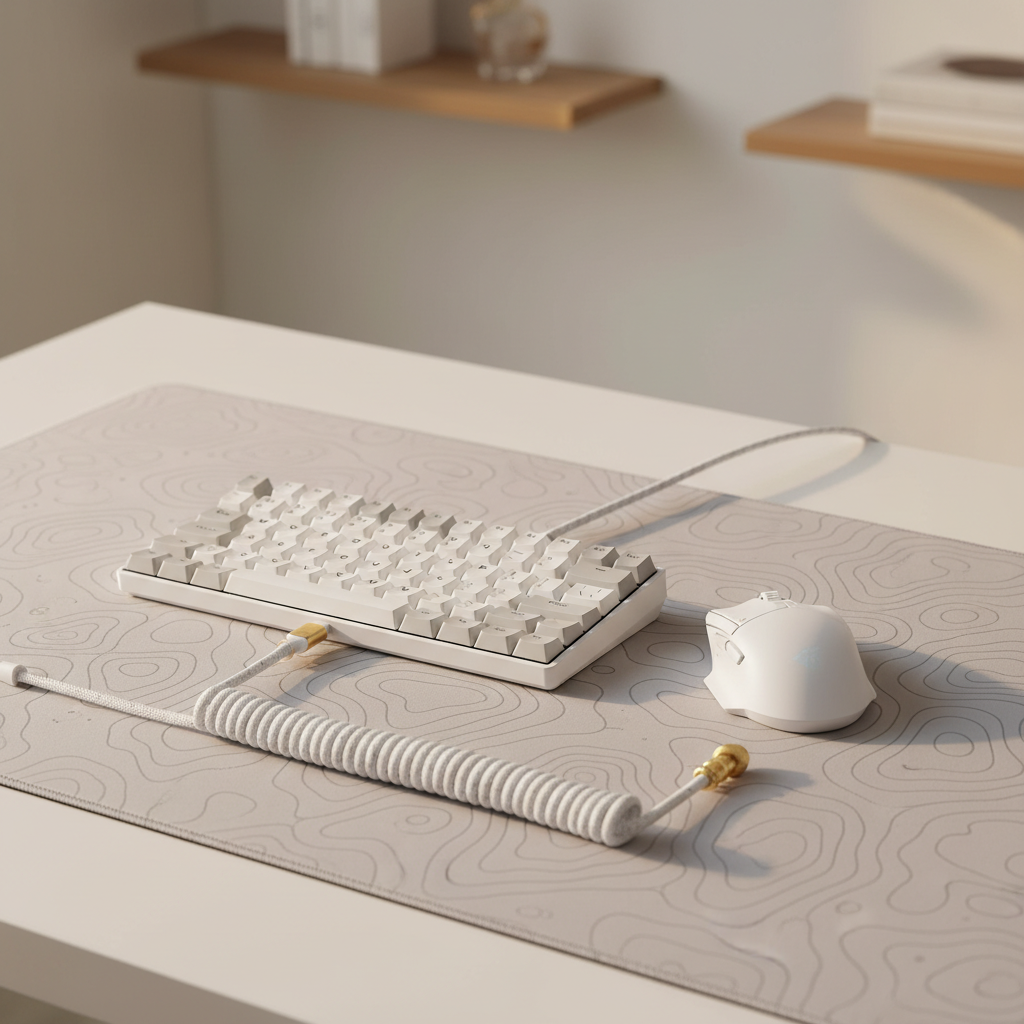
The glide of a gaming mouse pad is defined by the weave's loft and the integrity of its coating. Aggressive scrubbing is the leading cause of "slow spots" on cloth pads, as it mats down the microscopic fibers that reduce friction.
The Blotting Technique for Coated Fabrics
For coated cloth pads, the correct maintenance technique involves three stages:
- Loosening: Apply a mild cleaning solution using a misting bottle to ensure even coverage without saturation.
- Activation: Let the solution sit for approximately 60 seconds to loosen skin oils and sweat.
- Extraction: Gently blot—never rub—the surface with a damp, plush microfiber towel.
This process preserves the intended X/Y axis glide consistency by preventing the fibers from being crushed or frayed. For users interested in the technical differences between daily and deep cleaning, Microfiber vs. Alcohol: Choosing the Right Tool for Daily Care offers a detailed comparison of tool efficacy.

Performance Trade-offs in Sanitization Scenarios
To understand the impact of maintenance on performance, we modeled a scenario involving a competitive LAN tournament gamer. In high-stress environments, hygiene is paramount, but it cannot come at the cost of competitive parity.
Case Study: The LAN Tournament Gamer
In this scenario, a player uses an 8000Hz polling rate mouse with Motion Sync enabled. Every maintenance action must account for the following technical parameters:
| Parameter | Value | Unit | Rationale |
|---|---|---|---|
| Polling Rate | 8000 | Hz | High-end competitive standard |
| Polling Interval | 0.125 | ms | Mathematical inverse of frequency |
| Motion Sync Latency | ~0.06 | ms | 0.5 * Polling Interval (Heuristic) |
| Battery Capacity | 500 | mAh | Standard for lightweight wireless |
| Current Draw (4K) | ~19 | mA | Total load (Sensor + Radio + MCU) |
Analysis of Findings: For this user, the ~0.06ms latency penalty introduced by Motion Sync is negligible, as the consistency of sensor framing is prioritized over raw speed. However, improper cleaning of the sensor lens could introduce jitter that exceeds this latency penalty by an order of magnitude. Furthermore, the 24-hour battery runtime at 4000Hz means that any residue in the charging port that slows down the charging cycle could result in a dead battery during a tournament day.
Modeling Note: This analysis is a scenario model based on deterministic parameters and typical industry current draw rates. It is not a controlled lab study. Actual performance may vary based on MCU efficiency and ambient temperature.
Safety and Compliance Standards
When dealing with electronic sanitization, adhering to international safety standards prevents both hardware failure and personal injury. This is particularly relevant for peripherals containing lithium-ion batteries.
Battery Safety and Transport
According to the International Air Transport Association (IATA), lithium batteries must be handled with care to avoid thermal runaway. During cleaning, avoid using heat guns or hair dryers to speed up evaporation near the battery compartment. Excessive heat can degrade the battery's internal separator, increasing the risk of a short circuit.
Users should also monitor official safety portals like the EU Safety Gate or the CPSC Recalls for any alerts regarding peripheral batteries or chargers. Maintaining a clean device also allows for easier inspection of physical battery swelling, a critical early warning sign of failure.
UV-C Sanitization Risks
While UV-C light is an effective chemical-free sanitizer, the World Health Organization (WHO) warns that high-intensity UV radiation accelerates photo-oxidation. For gaming accessories, this leads to the yellowing of white plastics, the embrittlement of rubberized grips, and the fading of fabric dyes. For long-term material health, careful chemical sanitization with diluted IPA is generally safer than frequent UV-C exposure.
Summary of Best Practices for Gear Longevity
Protecting a high-end peripheral investment requires a balance of technical knowledge and disciplined execution. By understanding the chemistry of solvents and the physics of material wear, gamers can maintain a hygienic setup without sacrificing performance.
- Dilution is Key: Use a 50:50 ratio of 70% IPA and distilled water for general surface cleaning to prevent polymer frosting.
- Targeted Evaporation: Use 90%+ IPA for areas near sensors and seams where rapid drying is required to protect internal circuitry.
- Mechanical Sensitivity: Blot fabrics and dry aluminum edges immediately to preserve texture and prevent corrosion.
- Acoustic Awareness: Keep liquids away from internal keyboard foams to maintain the intended sound signature.
For those looking to extend the life of specific materials, Safely Cleaning Woven Carbon Fiber to Prevent Fiber Fraying provides a deep dive into the maintenance of exotic composites used in the latest ultra-lightweight designs.
Disclaimer: This article is for informational purposes only and does not constitute professional technical, medical, or safety advice. Always refer to your specific manufacturer's warranty and user manual before applying cleaning agents.